Preventing thrombosis through massage – a path to a healthier life
Imagine if you could easily reduce your risk of one of the most common diseases of our time – with something as pleasant as a massage. A lack of exercise and poor nutrition are responsible for a large proportion of the complaints in society at large and thrombosis is also a major cause of this. In Germany alone, just over 370,000 people are affected by thrombosis every year, which is the cause of around 40,000 deaths from embolism. These numbers underline the importance of preventive measures. It's all the more interesting that something as simple as a massage not only...


Imagine if you could easily reduce your risk of one of the most common diseases of our time – with something as pleasant as a massage. A lack of exercise and poor nutrition are responsible for a large proportion of the complaints in society at large and thrombosis is also a major cause of this. In Germany alone, just over 370,000 people are affected by thrombosis every year, which is the cause of around 40,000 deaths from embolism. These numbers underline the importance of preventive measures.
It's all the more interesting that something as simple as a massage not only has a relaxing effect, but is actually an effective way to prevent thrombosis.
Reading tip: In our post “From head to toe, massages can help here” you get a comprehensive insight into how diverse massages are.
However, this article is about the dangers and causes of thrombosis. In particular, we would like to address how you can naturally reduce the risk of thrombosis.
Development, risk factors and symptoms of blood clots
A thrombosis occurs when a blood clot forms in the blood vessels, usually in the leg veins. This clot can restrict or even block blood flow, which can lead to serious complications such as pulmonary embolism.
The insidious thing is that thrombosis can manifest itself through various symptoms that are often difficult to recognize. Typical signs are:
- swelling
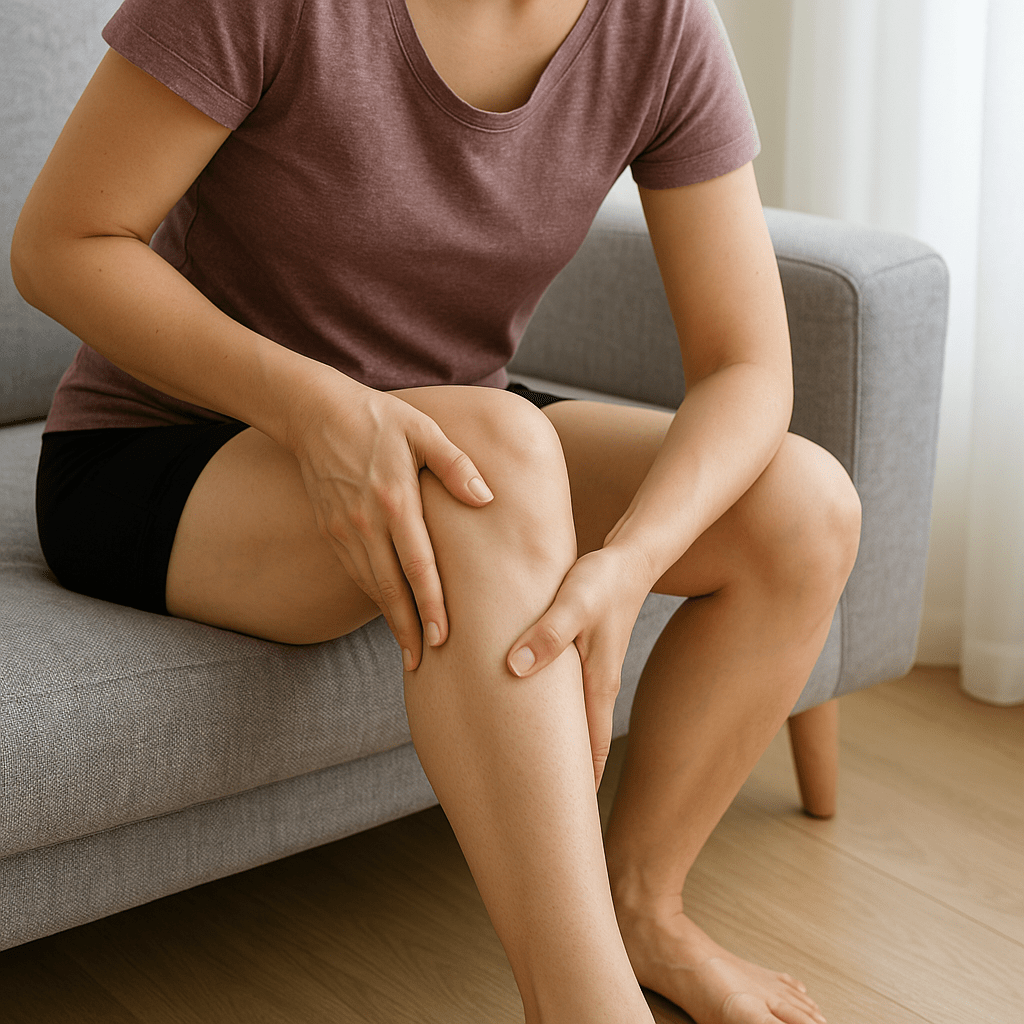
- Pain or a feeling of tension in one leg
- Redness or warming of the affected area.
These early signs are due to the onset of blood congestion in the veins and should be taken seriously, especially if they occur suddenly or in combination. They can already indicate a potentially dangerous blockage in the blood vessels. If several of these occur at the same time and there are other risk factors, a doctor should be consulted immediately.
The risk factors for the development of thrombosis are diverse: sitting for long periods of time, such as during office work or on long flights, but also factors such as smoking, obesity or certain diseases such as heart failure, diabetes or blood clotting disorders. It is therefore obvious: preventive measures against thrombosis are important. But how can an everyday act like a massage help here?
Reading tip: Swelling and pain, as well as redness and warmth also occur in rheumatic diseases. In our article on rheumatism pain you can find out more about it.
Prevention measures: How massages and a healthy lifestyle support your blood flow
Massages not only provide a moment of relaxation for the body and soul, they are also an effective tool for promoting your health. By improving blood circulation, they help reduce the risk of blood clots. Through targeted pressure and movements, the muscles are relaxed, which supports improved blood circulation in the veins.
Both professional massages and regular self-massages can make a significant difference to your well-being. The principle behind it is simple: by stimulating movement and varying blood flow in the vessels, the risk of blockage, i.e. thrombosis, is minimized.
Massages also offer a variety of benefits for the prevention of illnesses. They not only promote muscle health and thus blood circulation, but also help reduce stress. The flexibility and adaptability of various massage techniques allow treatment to be tailored to your individual needs, making massage a versatile and effective component of thrombosis prevention.
In a way, massages simulate movements and, on the other hand, stimulate them Lymph- and blood system. Effects that are also achieved through an active lifestyle. This confirms once again that exercise is an essential pillar in health matters. Even when it comes to thrombosis.
Exercise as a central component of thrombosis prevention

Not surprisingly, exercise also has an extremely positive effect in the area of thrombosis prevention and can help prevent thrombosis. Regular physical activity not only actively supports blood circulation, but also contributes to the strengthening and thus the health of your veins.
When you move, you activate the so-called muscle pump in your legs – a mechanism in which muscles contract and relax rhythmically. This movement helps to effectively pump blood through the veins back to the heart, preventing blood from stagnating in the leg veins and causing blood clots.
In addition, regular exercise not only strengthens the vein walls, but also promotes general blood circulation. Exercises that strengthen your leg muscles, such as walking, jogging or cycling, are particularly effective.
The importance of venous gymnastics
So-called venous gymnastics is considered part of the preventive strategy through exercise. It is particularly important for you if you have an increased risk of thrombosis. This is shown, among other things, by varicose veins or previous venous thrombosis. Simple, but effective Exercises strengthen your foot and leg muscles and thus improve blood circulation in your veins. These exercises can be easily integrated into everyday routines and help reduce evening heaviness and swelling in the legs.
True, where there is sport and exercise, nutrition is usually not far away.
Hydration and nutrition – important pillars of thrombosis prevention
As simple as it sounds, adequate fluid intake and a balanced diet already help prevent blood clots. They help keep your blood flowing and reduce the risk of thrombosis. It's no secret that a balanced diet helps keep your blood healthy and strengthen blood vessels. At the same time, it helps to avoid obesity, another risk factor for thrombosis.
Underestimated factors in thrombosis prevention: rest and sleep
Adequate sleep can also minimize the risk of thrombosis. Why? Good sleep supports the body's regeneration and helps reduce stress hormones, which can affect blood clotting. A regular, restful sleep cycle helps maintain healthy blood circulation. You may already have guessed that stress should also be actively avoided.
Stress management – a key to health
Stress is a known risk factor for many health problems, including thrombosis. Managing stress through relaxation techniques, meditation or yoga can also help to actively reduce the risk of the disease. These practices not only promote relaxation, but also strengthen your cardiovascular system.
Drugs to prevent thrombosis
The prevention of thrombosis requires a holistic approach. In addition to massages, enough exercise, a healthy diet and sufficient sleep and relaxation, drug therapy should not go unmentioned. For people at high risk of thrombosis, blood thinners can be a preventive measure.
These medications reduce the risk of clots forming. However, it is crucial to discuss individual risk and possible side effects with a doctor to ensure a safe and effective prevention strategy.
Can you massage a thrombosis?
Unfortunately, despite all measures, the risk of thrombosis can never be completely ruled out. If a thrombosis occurs, you should definitely seek medical advice and not carry out treatment on your own.
Massaging an existing thrombosis is usually not a recommended practice and can be dangerous. While preventative massages promote blood circulation, if a thrombosis is present, there is a risk that the blood clot will become dislodged and lead to life-threatening complications.
Proactive health care: your key to thrombosis prevention
A proactive approach to health care involves many different factors. Regular health checks help to identify risk factors early and coordinate necessary measures with your doctor. A healthy lifestyle that includes exercise, a balanced diet, adequate fluid and sleep intake, and effective stress management is central to preventing thrombosis.
Take your health into your own hands and support it through a mindful lifestyle, accompanied by soothing, regular massages.
Mitgründer und Geschäftsführer der Massagesessel Welt. Mit seinem Expertenwissen und seiner Branchenkenntnis hilft er, Privatpersonen und Unternehmen zu passenden Massagesessels für Entspannung, Gesundheit und Vitalität zu finden. Die individuelle Fachberatung erfolgt sowohl telefonisch oder per Videochat, als auch in der Ausstellung vor den Toren Stuttgarts.